
REPORTER: OBY ARINZE
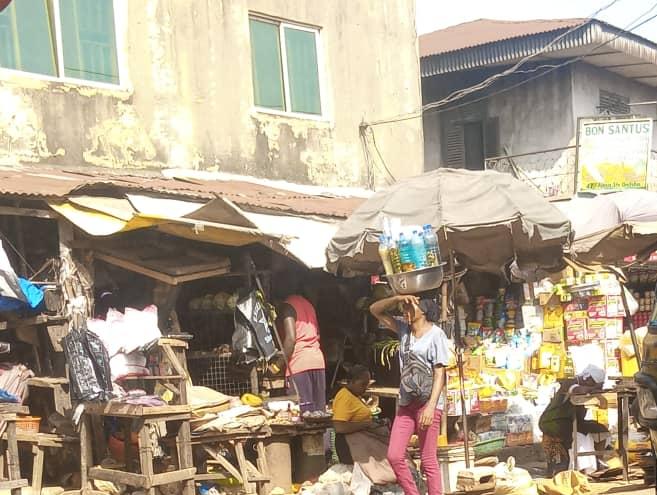
As children across Nigeria celebrate this year’s Children’s Day, concerns are mounting over the growing rate of child labour in some parts of the country, especially in Anambra State, where under-aged children are increasingly seen hawking goods on busy roads and markets instead of going to schools .
Stakeholders say the trend, if not urgently addressed, may continue to rob many children of their future, expose them to dangers and deepen the cycle of poverty and illiteracy in society.
Child labour, which dates back to the era of industrialization when children were used as cheap sources of labour in factories, farms and mines, has over the years remained a global social problem.
In Nigeria, the practice is commonly linked to poverty, unemployment, large family sizes and lack of access to quality education.
Experts say child labour deprives children of their childhood, education and emotional development, while exposing them to exploitation, abuse, accidents, trafficking and other social vices.
Speaking on the development, a teacher at the Federal Government Girls College Nkwelle, Mrs Uju Egeonu, described child labour as harmful to the psychological, emotional and physical wellbeing of children.
Mrs Egeonu explained that children exposed to excessive labour at an early age often suffer trauma, aggressive behaviour and poor mental health, adding that underfeeding and stressful living conditions could negatively affect their academic performance and overall development.
According to her, schools have important roles to play in identifying children facing such challenges through proper monitoring of their mental alertness and behaviour in school.
She called for sustained sensitization campaigns during Parent and Teachers Association (PTA) meetings to educate parents on the dangers of turning children into breadwinners and labourers.
Mrs. Egeonu maintained that responsibilities assigned to children should be within their age brackets and encouraged children to speak out whenever they are subjected to tasks beyond their capacity.
Also speaking, a primary school Headmistress, Dr. Anuli Okonkwo, noted that child labour affects children academically as many spend valuable study hours hawking goods on the streets.
Dr. Okonkwo said children engaged in street trading often become weak and exhausted after carrying heavy loads for several hours, leading to irregular school attendance, poor academic performance and eventual dropout from school.
A parent, Mr. Augustine Gwacham, attributed the growing involvement of children in street hawking to poverty, unemployment, unstable sources of income and large family sizes.
Mr. Gwacham explained that many struggling families engage their children in selling sachet water, food items and fruits to support family income, stressing however that the consequences on the children are severe.
He warned that child hawkers are vulnerable to accidents, harassment, kidnapping and sexual abuse, especially the girl child who may become victims of molestation and rape by criminal elements in society.
Another parent, Mrs Vivian Igwe called on government to strengthen economic support programmes for vulnerable families and ensure strict enforcement of laws protecting the rights of children.
Meanwhile, a primary school pupil seen hawking vegetables in the market during school hours told Radio Nigeria that she attends school only two or three times a week because she spends most days assisting her family through hawking.
Observers say unless urgent measures were taken by government, parents, schools and community leaders, the increasing rate of child labour may continue to endanger the future of many children in society.
The Anambra State House of Assembly had earlier passed the Child Rights Law aimed at protecting children from abuse, exploitation, trafficking and harmful labour practices, while guaranteeing their rights to education, healthcare and proper development in the state.