REPORTER: EMEFIENA OKONKWO
The United Nations Children’s Fund, UNICEF, has called on Journalists in the country to ensure that children’s best interests, rights and privileges are protected in their reportage.
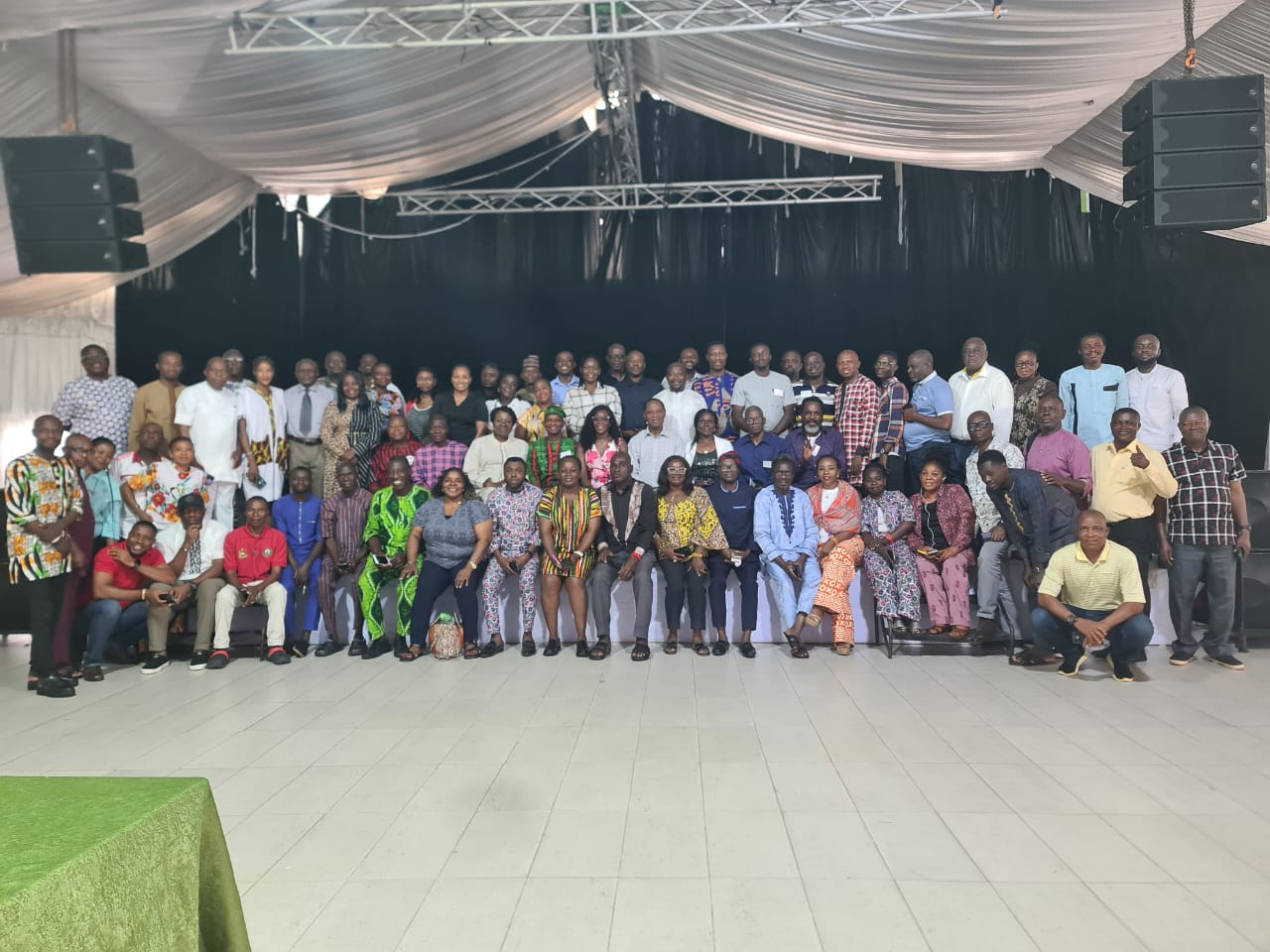
The UNICEF Country Representative, Wafaa Saeed made the call at Port Harcourt, Rivers state while addressing participants in a two day training of Media Practitioners on Ethical Journalism and Child Rights Reporting, organized by the Federal Ministry of Information and National Orientation in collaboration with UNICEF.
Represented by the UNICEF Chief of Field Office, Port Harcourt, Dr. Anslem Audu, the Country Representative noted that journalists had a critical role in shaping the narrative on children’s issues and owe it a duty to prioritize children’s best interests and ensure that their reporting does not harm or exploit children.
The UNICEF Official stated that the media has the power to amplify the voices of children, highlighting their struggles and issues that affect their well-being.
Earlier in a message, the Permanent Secretary, Federal Ministry of Information and National Orientation, Mr Ogbodo Chinasa Nnam emphasized the importance of ethical reporting in shaping society’s perception of children.
Mr Ogbodo represented by the Assistant Director and Head of the Child Rights Information Bureau of the Ministry, Mr Falayi Temitoye while urging journalists to be cautious when reporting stories involving minors,commended UNICEF for its consistent collaboration with the ministry in promoting children’s welfare.
In key presentations, some of the Resource Persons in the training including Professor Charles Obot, Mr Lekan Sote, Dr Geoffrey Njoku and Mr Jide Johnson advised journalists to be conscious of the Child Rights Law in their reportage of issues involving children as every word, image or frame published could have a lasting impact on a child’s life and future .
They noted that ethical reporting means protecting children’s identity, never publishing a child’s name or image in a way that would stigmatize them, expose them to retaliation, or re-traumatize them, especially children affected by violence, conflict, or abuse.
Some of the participants interviewed pledged to put into work the experience and knowledge they had garnered from the training.
The training brought together frontline journalists from the South-East, South-South and North-Central zones and equally had in attendance some staff of the Federal Ministry of Information and National Orientation, UNICEF Communication Specialist and Acting Chief of Communication, Advocacy and Partnership, Ms Susan Akila as well as UNICEF Communication Specialist, Enugu Field Office, Dr Ijeoma Onuoha-Ogwe.
Correspondent Emefiena Okonkwo reports that the two day training also featured interactive and practical sessions as well as case studies.